AFTER MUGABE ELECTIONS IN ZIMBABWE |
|
|
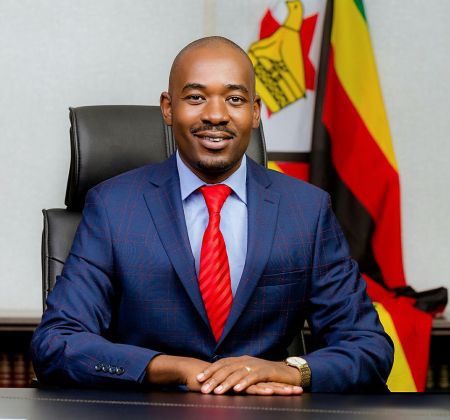
They elect the first Zimbabwean president in the country's history who is not named Robert Mugabe. The 94-year-old has led the country since independence before being overthrown by an army coup in November 2017, In fact, the general elections held on Sunday are the first since the fall of Robert Mugabe, who led the country for thirty-seven years. His departure last November gave rise to hope for change among the population. More than 5.5 million voters registered to vote. At 94, the former strongman has still not digested his forced resignation with the help of the army. No support from Mugabe to the candidate of his party: Opposition leader in Zimbabwe Nelson Chamisa did not wait until the results were announced to announce his victory. The opposition leader in Zimbabwe claims, Tuesday, July 31, " a brilliant victory" in the general elections held the day before in the country. "We have done remarkably well (...) and we are ready to form the next government," he wrote in English on Twitter, in support of * a vote count of 10,000 polling stations. Before the election, Robert Mugabe implied that he would vote for Nelson Chamisa, a long-time opponent, rather than Emmerson Mnangagwa, the current head of state and his party's candidate, Zanu-PF. Two favorites out of 23 contenders Emmerson Mnangagwa, Mugabe's close friend who fell out of favor, took power with the support of the military. He promised to reform the country from top to bottom just like his main rival, the opponent Nelson Chamisa. For the first time, an election campaign in Zimbabwe took place in relative calm. . The main opposition party, the Movement for Democratic Change (MDC), has indeed been able to organize meetings, more and more important. 23 candidates ran in the presidential election, and more than one hundred political parties take part in the legislative elections. |
|
| Alyson Braxton for DayNewsWorld | |
 |
|